Laboratories

ENERMAT Platform

Development of Materials and Processes for Energy Applications

HomeLaboratoriesENERMAT Platform

Research Focus

The ENERMAT laboratory was established in 2014 through a collaboration between the Karlsruhe Institute of Technology (KIT) and EIFER. It is located at the Institute for Chemical Technology and Polymer Chemistry (ITCP) on the KIT Campus South

The key research areas include:

Materials Science:

  • Development and characterization of advanced materials for energy applications.
  • Investigation of new materials for improved performance and cost-effectiveness.

Energy Processes:

  • Optimization of processes for energy production and storage.
  • Development of innovative techniques for energy conversion and efficiency.

Fuel Cells

  • Research on materials and processes to enhance electricity production in fuel cells.
  • Evaluation of fuel cell performance and durability.

Electrochemical Hydrogen Production:

  • Development of materials and methods for efficient hydrogen production in electrolyzers.
  • Study of electrochemical processes to improve hydrogen yield and purity.

Gas Separation Membranes:

  • Design and testing of membranes for effective gas separation.
  • Application of membrane technology in various energy-related processes.

E-Fuels Production:

  • Research on the innovative production of synthetic fuels (E-Fuels) from renewable sources.
  • Exploration of processes to convert directly electricity and CO2/H2O/N2 into advanced fuels.

Facilities

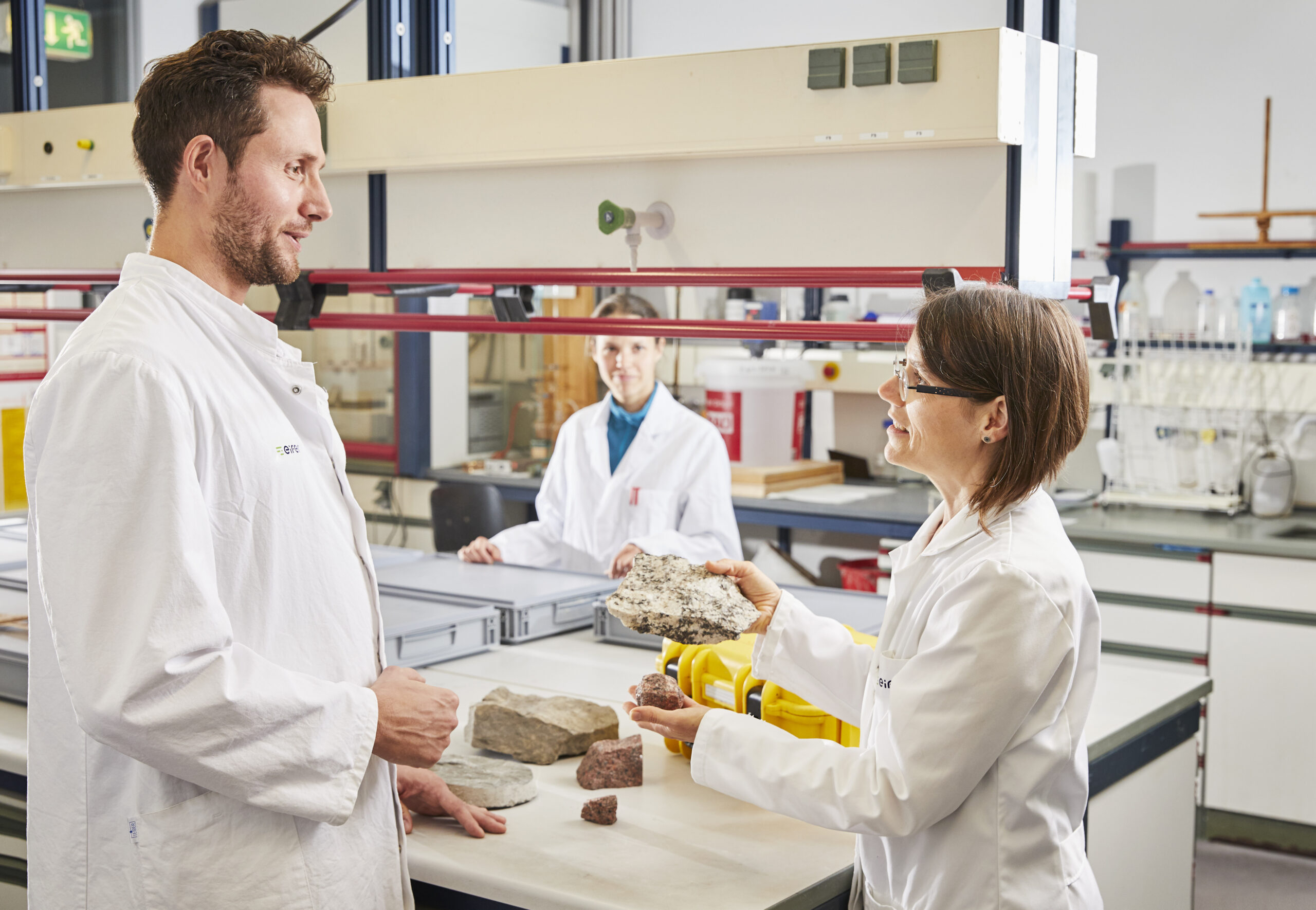
Manufacturing and characterization of innovative powder-metallurgical processed materials, covering the whole production process, from the raw material to the finished product in 3 steps.

Powder Synthesis

  • Solid-state reaction
  • Pechini ProcessG
  • Sol-Gel Process

Powder Processing

  • Pressing
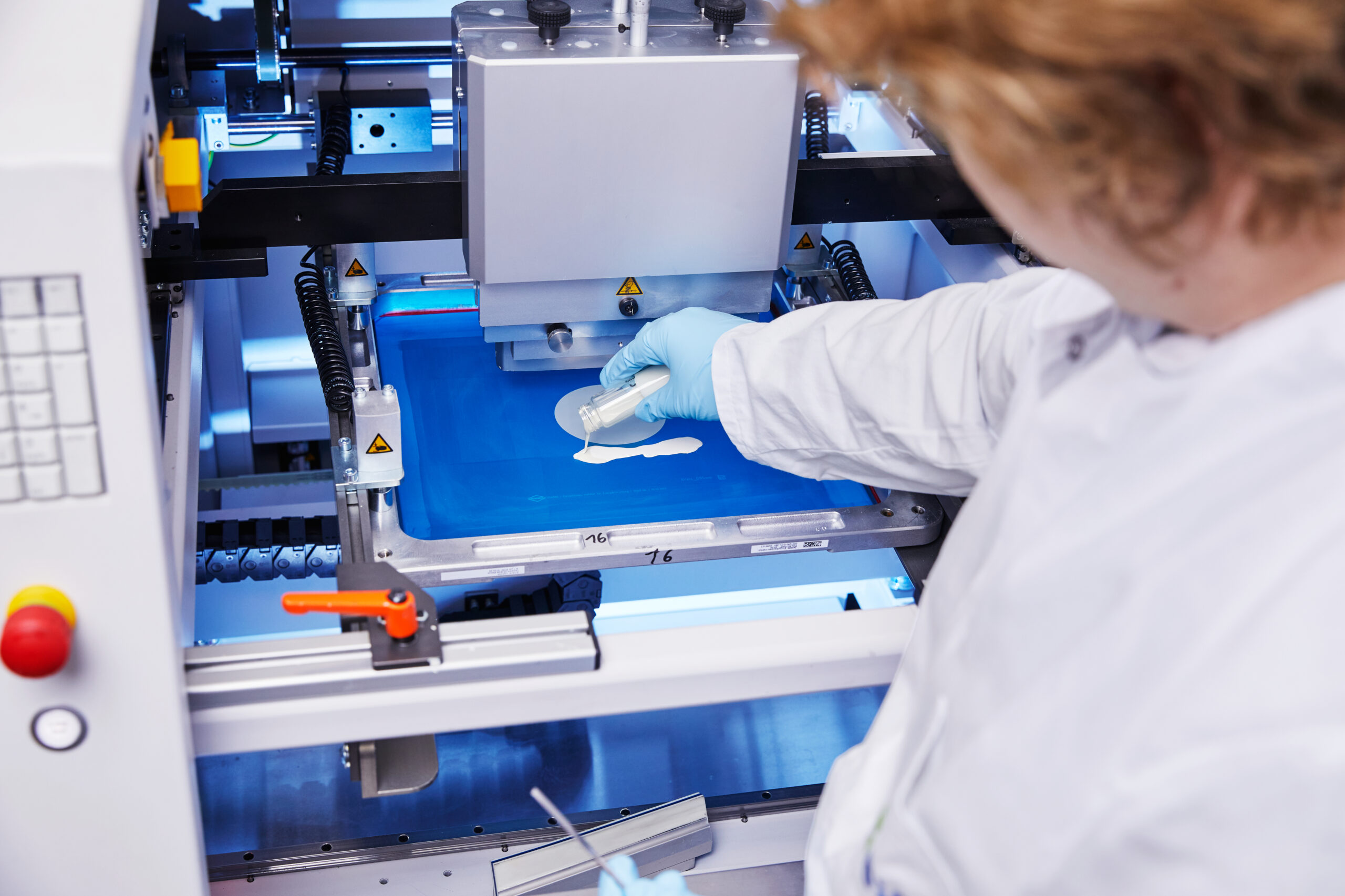
  • Screen-printing (5 to 40 µm)
  • Tape-casting (20 to 2000 µm)
  • Nano-Infiltration
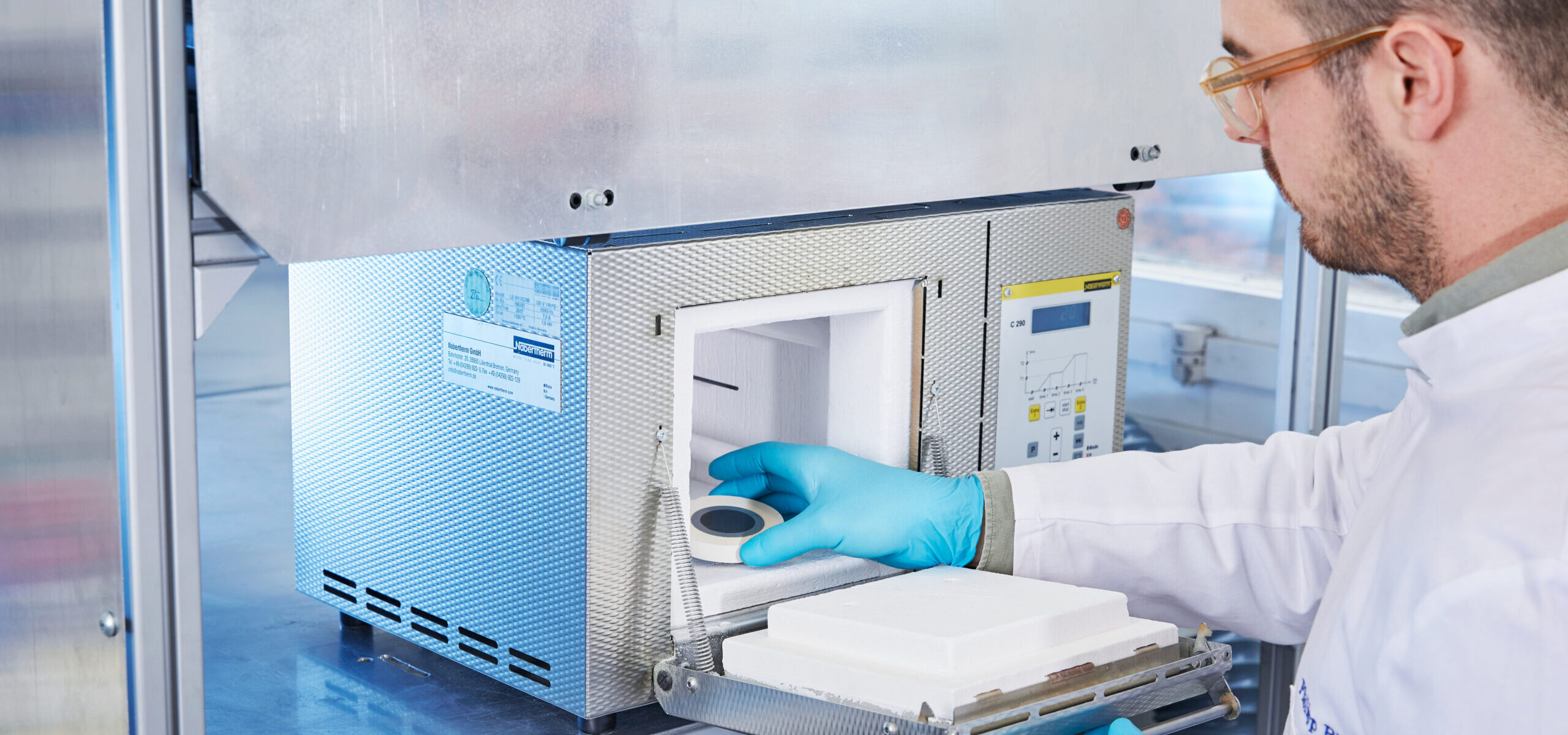
  • Sintering under air (1600°C)

Electrochemical Measurements

  • Electrochemical Impedance Spectroscopy (EIS)
  • Application profiles: power, temperature, reversibility and E-Fuels
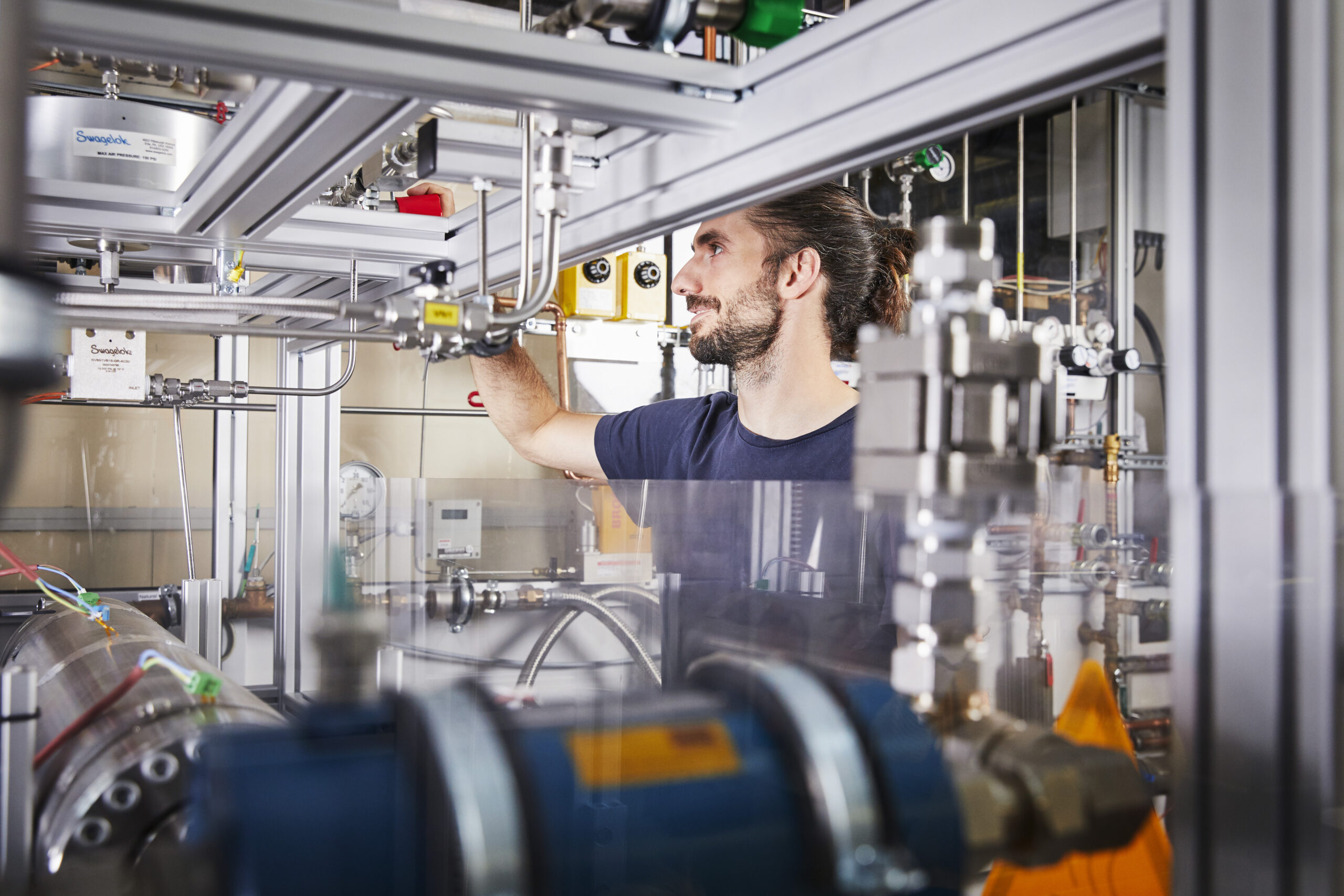
  • Cell area from 3 to 50 cm², pO2 pH2 PH2O PNH3 PCO2
  • Gas Analysis, Microscopic Analysis

Recent publications

  • Blanck, P., Schmider, D., Kee, R. J., Dailly, J., Deutschmann, O. (2025).
    Microstructural optimizations of an iron-containing electrode for electrochemical ammonia synthesis on a proton-conducting ceramic membrane.
    Ceramics International, 51(21, Part B), 34213-34222.
    https://doi.org/https://doi.org/10.1016/j.ceramint.2025.05.149
  • Blanck, P., Martin, E. P., Schmider, D., Kee, R. J., Dailly, J., Deutschmann, O. (2025).
    Electrochemical Ammonia Synthesis in a Proton-Conducting Ceramic Cell: A Parameter Study of an Iron-Based Electrode.
    Journal of The Electrochemical Society, 172(8), 084507.
    https://doi.org/10.1149/1945-7111/adfc9e
  • Davari, S., Chacko, R., Bastek, T., Lott, P., J., Dailly, J., Angeli, S., Deutschmann, O. (2025).
    Experimental and microkinetic investigation of thermo-catalytic ammonia decomposition over a Ba-promoted Ru/Ni-BCZY catalyst for use in ammonia-fed protonic ceramic cells.
    Applied Catalysis A, General 708, 120571.
    https://doi.org/10.1016/j.apcata.2025.120571

Current public funded projects

ECOMET

HADES

PEPPER

Contact Information

Dr. Julian Dailly

julian.dailly@eifer.org